A cooktop burner ticking away without a flame, a bake element glowing white-hot in one spot, a gas oven running fifty degrees cool.
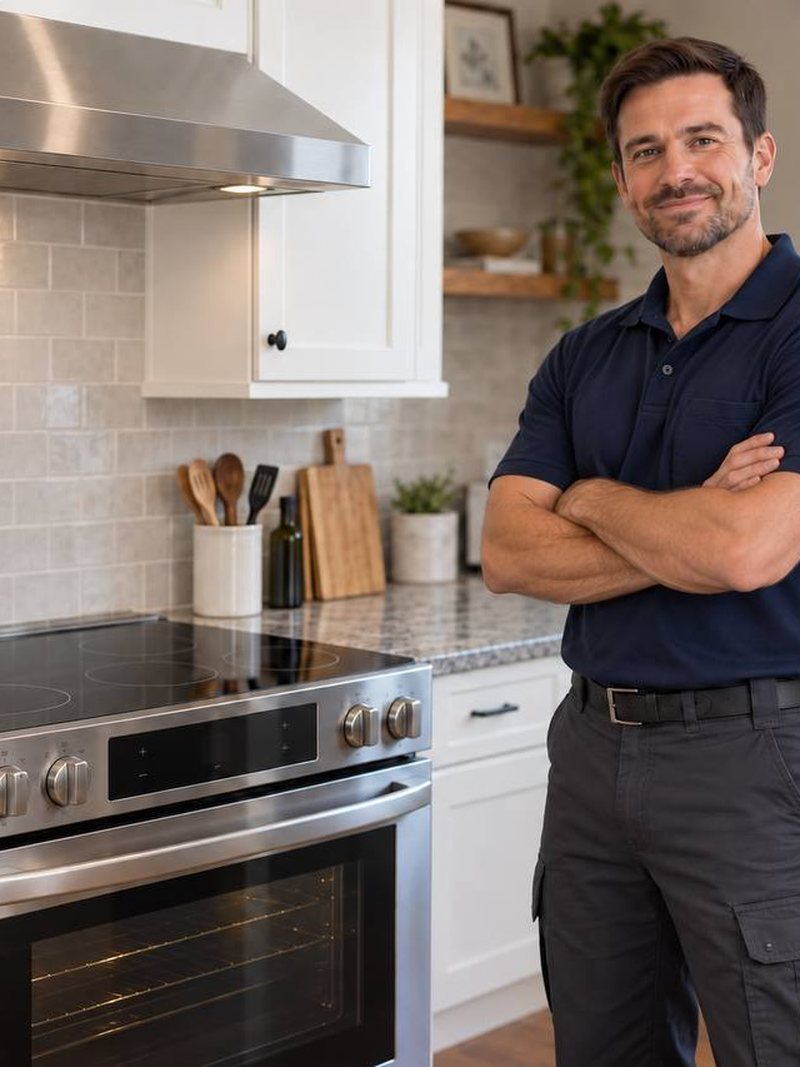
Olympia is a mixed kitchen town. PSE pipes natural gas into many Olympia neighborhoods, many houses heat with it, and a home with a gas furnace often has a gas range on the same line. Older neighborhoods like South Capitol, Bigelow and the Westside still hold plenty of electric ranges, some on wiring that has seen several kitchens come and go, while remodels add induction cooktops and double wall ovens. On rural roads beyond the city limits, propane takes over. Each fuel fails in its own way. Gas ovens mostly lose the glow-bar igniter, which weakens until it can no longer open the safety valve. Electric ranges burn through bake elements and infinite switches. Induction tops and wall ovens lean on sensors, cooling fans and control boards.
Here is a common call from Southeast Olympia: a Forest Hills rambler, a GE gas range, and a casserole that never gets past lukewarm. The broiler works; the bake side doesn’t. Our technician watches the bake igniter first. If it glows orange but the burner never lights, the igniter has probably sagged below the amperage the gas valve needs, and we put an ammeter on it rather than guessing. We also check the valve, the oven sensor’s resistance and the door gasket, since a leaking door can make a good oven look weak. On an electric range we would meter the bake element, the relay on the board and the terminal block instead. Either way, you hear which part failed before anyone picks up a wrench.
| Sign | Likely cause | What we do |
|---|---|---|
| Gas oven won’t heat, igniter glows | Aging igniter below the amperage the valve needs to open | Clamp an ammeter on the igniter, test the valve, replace the weak part |
| Cooktop burner ticks, no flame | Spill-soaked igniter, cracked electrode or a cap sitting crooked | Dry and clean the burner, test the spark module and electrode |
| Electric oven slow, one element dark | Burned bake or broil element, or a failed relay | Meter the elements and board relays, inspect terminals for scorching |
| Temperature off by twenty-five degrees or more | Oven sensor drifting or a door gasket leaking heat | Check sensor resistance against the chart, inspect the door seal |
| Door stays locked after self-clean | Door lock motor or switch fault | Test the lock circuit and release the latch safely |
| Brand · code | Meaning | Our next step |
|---|---|---|
| GE · F2 | Oven temperature has passed a preset safety threshold | We check the sensor and control relays before the oven is used again |
| GE · F9 | A component in the door lock circuit has failed | We test the lock motor, switches and wiring, then release the door safely |
| Whirlpool · F3 E1 | Oven temperature sensor, the control or their wiring has a fault | We measure sensor resistance, then trace the harness back to the control |
| Frigidaire · F10 | Thermal runaway: the electric oven is overheating beyond its limit | We cut power, then test the sensor, relay board and element circuit |
Book by phone or online; a text gives you the arrival window. Our technician reads any F-code, then confirms it with a meter or an ammeter, because a code only points at a circuit. On gas ranges we leak-check every fitting we touch and verify a clean blue flame before leaving. The technician points to the faulty part, calls it by name and writes a single price. If you agree, that price already accounts for the $99 diagnostic. Decline, and your cost stops at the $99. Igniters, elements and sensors are usually on the van; anything we must order gets fitted on a later visit, with no fresh trip fee attached. We close with a test bake, a wiped-down cooktop and your written warranty.
Not first. Get out of the house at the first whiff of gas, avoid switches and flames, and call the gas utility’s emergency line from outside. Once the utility has made the area safe, we can repair the range itself: igniters, valves, burners and controls. Our technicians leak-check the fittings they disturb and confirm a steady flame before we leave.
Glow-bar igniters lose strength over the years. A tired one keeps glowing while its current drops, and the safety valve holds shut until the current reaches its set point. So ignition comes late, or not at all. An ammeter reading confirms it; no part gets swapped on a guess. Across Olympia, few gas oven repairs come up more often than this one.
Yes. Induction cooktops, double wall ovens and slide-in ranges show up in remodeled kitchens from Cooper Point to the Eastside. They rely on sensors, cooling fans and control boards more than older ranges do, so after reading the code we check the fan, sensor and board supply before naming the part. Cookware that doesn’t work on induction is worth ruling out first.
It can. A surge when power is restored can scramble a control board or damage a relay. Symptoms include a blank display, keys that don’t respond, or an F-code that appears right after the lights come back. Try cutting the breaker for sixty seconds, then restoring it. If the fault stays, our technicians test the board supply and relays before recommending any part.
We do. Propane ranges are common on the rural edges of Thurston County. The parts are largely the same as natural gas, but the orifices and regulator settings differ, so we confirm which fuel the range is set up for before adjusting anything. A range that was converted incorrectly can burn yellow, lift its flames or leave soot in the oven.
The fault gets named and priced on paper; approve the work and the visit is already inside that figure.