TUMWATER · MORE REPAIRS
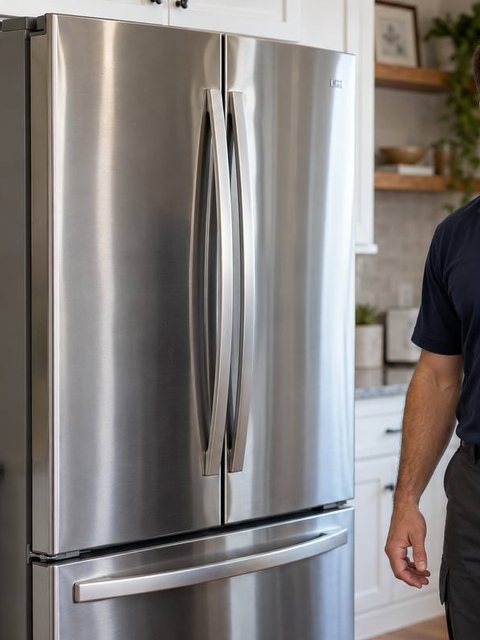
The lights came back after the windstorm, but the fresh-food side sits at 50 degrees and the ice cream is going soft.
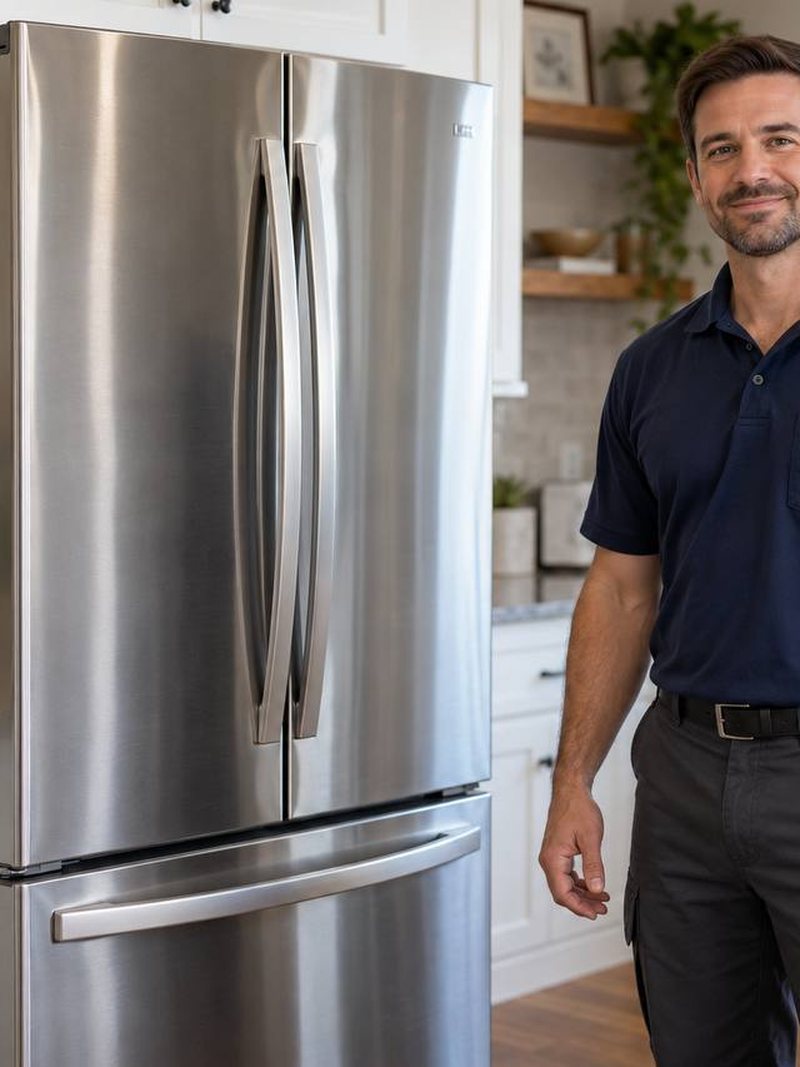
Tumwater’s housing runs young, with a median home built in the mid-nineties and a large share put up this century, yet the city also keeps older ramblers along the Capitol Boulevard corridor, the same stretch that now holds the Craft District. That spread puts everything from plain top-freezers to French-door units with a control board behind every panel on our schedule. Refrigerators here fight damp more than heat. Fall fog in Tumwater Valley and humidity near 80 percent load door gaskets with moisture, and a tired gasket turns that into frost on the evaporator coil. Garage freezers on Bush Prairie see the other extreme: cold winter nights that stall a unit never meant for a cold room, and rare heat spikes like the record afternoon that reached 110°F at the Olympia airport next door.
Take a call from a split-level off Trosper Road after the late-September windstorm cut power across Thurston County south of Olympia. Power had been back a day. The freezer held near zero, but the fresh-food side sat at 47°F and the display showed nothing. We started at the evaporator fan, since it carries cold air from the freezer coil into the fresh-food side. The blade spun, yet the air channel behind it was packed with ice, the signature of a defrost system that had stopped working. Our meter found the defrost heater open. On other outage calls we trace it to a start relay chattering on and off, or to a control board scorched by the jolt when service returned. The pattern on our end stays the same: read, measure, then name the part.
| What you notice | The usual reason | Our approach |
|---|---|---|
| Freezer cold, fresh-food side warm | Defrost heater, thermostat or sensor gave out and ice sealed the coil | Read the frost pattern on the coil, then meter the defrost circuit |
| Clicking every few minutes, no hum | Compressor start relay or overload, often after an outage | Test the relay and compressor windings before naming a part |
| Water pooling under the crisper drawers | Frozen or plugged defrost drain | Melt out the plug, then learn what froze the drain |
| Frost along the door edge, sweating trim | Torn or flattened gasket, or a door hanging out of level | Check the seal all the way around and reset the hinge |
| Garage freezer runs nonstop in summer | Dust-packed condenser coil or a slow condenser fan | Clean the coil, check fan speed, confirm temperatures with a thermometer |
| Brand · code | Meaning | Our next step |
|---|---|---|
| LG · Er dH | Defrost ran past its time limit without finishing | Meter the defrost heater and sensor before touching the main control board |
| LG · Er FF | Freezer fan problem, frequently frost locking the fan blade | Thaw the fan housing, test the motor, then trace why frost built up |
| Frigidaire · SY EF | Evaporator fan circuit fault reported by the control | Check fan wiring and motor draw before ordering a fan or board |
| Frigidaire · PF | Power failure or surge detected, common after windstorm outages | Log both compartment temperatures, then watch the compressor restart on the meter |
You book by phone or online, and a text confirms the arrival window. A warm refrigerator moves up for same-day service whenever the schedule allows. Our technician reads any code first, then checks each compartment with a probe thermometer and the suspect circuit with a meter, because a code names a circuit, not always the failed part. We tell you in ordinary words which part is done and write out the repair figure. Agree, and the $99 becomes one piece of that amount; decline, and you settle the $99 alone. Most fans, relays, heaters and sensors come off the van the same day. A board on order means one more stop, with no trip fee of its own. We finish with a cooling check and a written warranty.
Sometimes both. Losing power rarely breaks anything by itself, but the restart can finish off a weak start relay, and a surge when service returns can damage a control board. Give the unit time to pull down after the lights come back. Should the fresh-food side read above 40°F by evening, with the compressor silent or clicking, book a visit; warm units get same-day priority when we can manage it.
Yes. Chest and upright freezers in garages and shops are regular calls for our team. Cold winter nights can stall a garage refrigerator that was never meant for a cold room, and a dusty condenser coil makes summer hard on all of them. We check the room, the coil and the temperatures inside before we point at a part, and we tell you if placement is the real problem.
It covers the trip, the code read and the testing that proves which part failed. After that the repair figure goes on paper. A yes means those $99 sit within that figure instead of being tacked on. A no means the $99 settles everything, and our findings stay with you to weigh on your own time.
Check your paperwork first; our booking questions include the warranty. When the maker’s coverage still applies, we say so up front, because that route should come first. Once coverage has ended, we diagnose and repair the usual brands, including Whirlpool, GE, GE Profile, Café, LG, Frigidaire, KitchenAid, Maytag, Bosch, Electrolux and Kenmore.
That turns on which part failed and how sound the cabinet is. A fan motor, defrost heater, thermistor, relay or gasket is usually a sensible repair on a solid unit. A refrigerant leak on an older machine weighs differently, and we tell you frankly when a new one makes more sense. You get our findings and a single written figure; what happens next is your call.
The fault gets named and priced on paper; approve the work and the visit is already inside that figure.